
By Sema Fonkem 06/07/2023
Imagine cracking a boiled egg or cracking eggs for your scrambled eggs breakfast. Sounds good right? But isn’t the process a little inconvenient if the eggs didn’t crack properly and you must remove the shell particles from the slippery egg white and completely forgetting about the yoke? I second your thoughts in the moment you are taking to visualise how disgusting it is to be left in such a situation. Blessed with natural resources and intelligent hardworking individuals is one way to describe Africa and the citizens of most African countries. Contrary to how you will describe majority of the head of states, political leaders who most people think are corrupt, lack knowledge and anything it takes to build or maintain a country. The African continent is rich with fertile soils, oil and gas, water, minerals, forest and wildlife with a huge percentage of the world’s natural resources. According to United Nations Environment Program Records, 30 percent of the world’s mineral reserves is found in Africa, 8 per cent of the world’s natural Gas and 12 per cent of the world’s oil reserves, 40 percent of the world’s gold and up to 90 percent of its chromium and platinum, the largest reserves of cobalt, diamonds, platinum and uranium in the world are in Africa. It holds 65 per cent of the world’s arable land and ten percent of the planet’s internal renewable fresh water source. Natural capital accounts for between 30 percent and 50 percent of total wealth. Over 70 per cent of people living in sub-Saharan Africa depend on forests and woodlands for their livelihoods. Land is an economic development asset as well as a socio-cultural resource. A significant share of these resources is, however, used unsustainably while others are lost through illegal activities, meaning that the stream of benefits generated from these resources is being reduced over time. For instance, Africa loses an estimated USD 195 billion annually of its natural capital through illicit financial flows, illegal mining, illegal logging, the illegal trade in wildlife, unregulated fishing and environmental degradation and loss. Over the decades since many countries gained independence we have seen the deterioration of railways, hospitals, road transport systems, airlines falling apart due to mismanagement of funds by government officials. Not to mention the corrupt nature of military and police departments. The constant abuse of power to silence human rights activists or anyone who dares question corrupt government activities which we have seen from the 2021 July Unrest in South Africa where looting was the order of the day
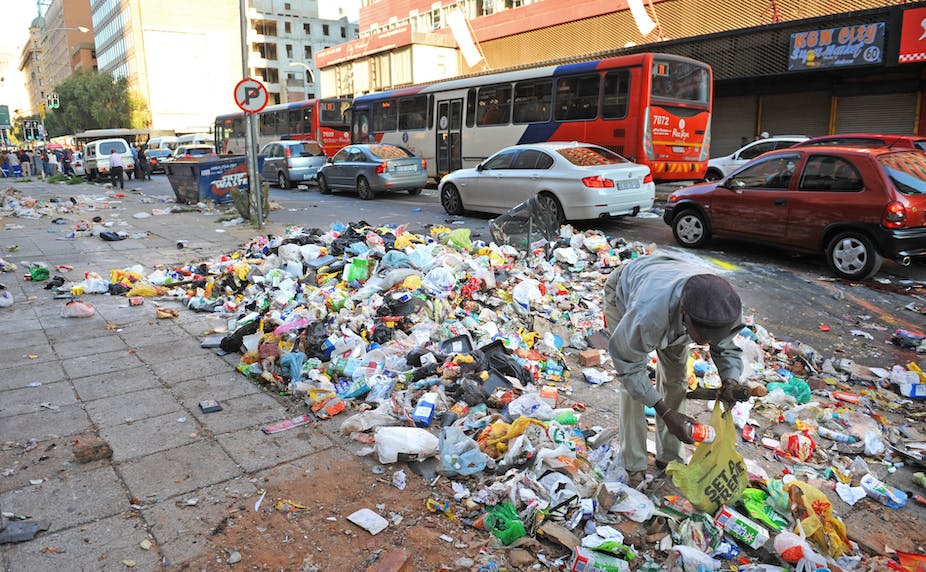
with citizens scrambling food and other basic needs, The 2018 and 2020 End Sars campaign in Nigerian when Nigerians cried out loud against a corrupt police system, the Anglophone crisis in Cameroon from 2016 to present day which sees Anglophone Cameroonians seeking separation from their government and the fight against dictatorship across African countries.
Even though Africa is blessed with all these natural resources and work force, what makes the government leaders malleable by the European, Asian and North American business entities, making poor decisions with less economic benefits is a question left unsewered. Africans suffer the most with 75% of its population living under $2.00USD daily, about 55% educated Africans have to travel outside Africa for greener pastures while the rest stay back to feed from crumbs, suffer from poor health due to inadequate health facilities, suffer financially due to lack of economic growth and turn to religious churches spread across the continent for the mercy of God. While dispersed Africans struggle for survival and their needs, majority forget, become powerless to fight for the yoke (their resources and rights) and focus on the egg shells (the crumbs) left for them after the export of their resources.
 Critique Africa