
Sema Fonkem 16/12/2025
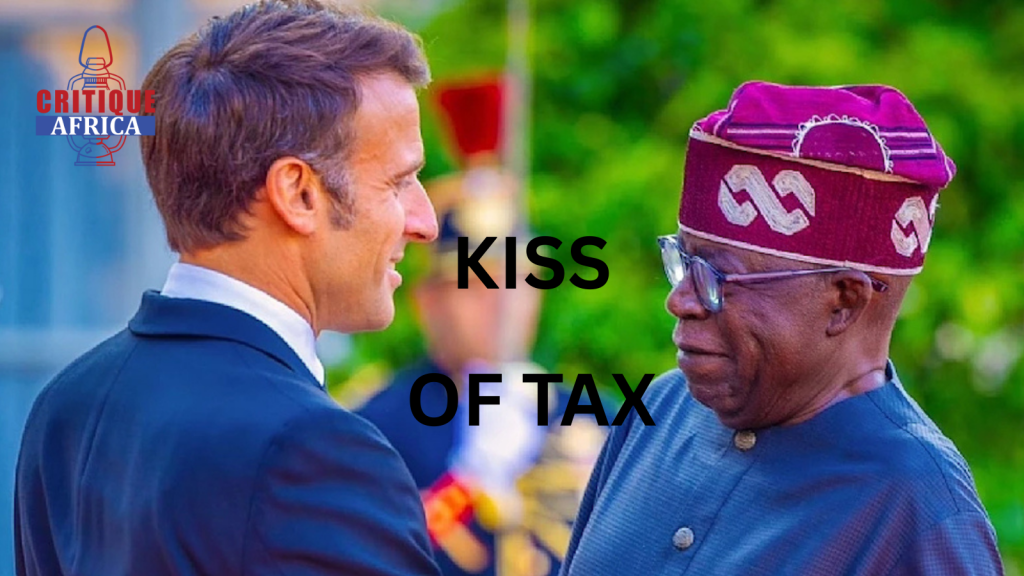
On December 10 2025, Nigeria’s Federal Inland Revenue Service (FIRS) signed a memorandum of understanding (MoU) with France’s tax authority Direction Générale des Finances Publiques (DGFiP)to improve digital tax administration.
The MoU signed at the French Embassy in Abuja by FIRS Chairman Zacch Adedeji and the French Ambassador to Nigeria, Marc Fonbaustier comes just days before the country’s planned transition from FIRS to the Nigeria Revenue Service (NRS) in January 2026.
What this means in simple terms is that France will provide NRS with the technical assistance required for the collection of tax and as well as monitoring of tax compliance.
While critics and concerned Nigerian citizens continue to express their worries over the country’s fiscal independence and exposure of sensitive information, FIRS through a press release dated December 15 2025 says that the MoU is a globally recognised cooperation framework with no risk to taxpayer data, digital systems, or any element of operational infrastructure.
FIRS insists only aggregated economic data will be shared under the MoU where France only provides technical assistance via tools such as AI powered audits.
According to FIRS, the MoU is limited to exchange of ideas, policy support, and workforce development to help Nigeria build a stronger and efficient tax administration system which will be highly beneficial to the country.
FIRS adds that it remains committed to transparency, professionalism, and partnerships that will advance Nigeria’s long-term economic development goals.
Nigeria’s positive relationship with France continues to deepen amid criticism from those who believe President Emmanuel Macron is using the country to keep French claws in West Africa.
Since 2022, the French government has ended its major counterterrorism missions in Mali, Burkina Faso, Niger, Chad, and Côte d’Ivoire, and closed bases in Senegal amid rising anti-French campaigns.
Ever since the fall of France in the above mentioned countries, Macron has been able to rekindle his relationship with president Bola Ahmed Tinubu through counterterrorism, security cooperation agreements and recently the MoU.
According to some sources, Tinubu and Macron became friends in 2002, when president Macron worked as an intern at the French Embassy in Lagos, Nigeria, at the time president Tinubu was the Governor of Lagos.
Carefully observing the audio-visual and written content online against the MoU deal, you can not help but notice that majority of the people against it are either anti-Tinubu administration or anti-French government politicising the the fear of data exposure to France. Since October 1960, the French embassy in Nigeria has been operating and peacefully collecting data of millions of Nigerians through documents such as passports and bank statements during the visa application procedure. As a diplomatic mission, France is in a legal position to conduct business such as the tax MoU with the government of Nigeria, under guidance and international cybersecurity laws.
Through the telecommunications and banking industry, data of over half a billion Africans is in the hands of foreign companies and governments. It does not begin with the MoU deal signed between the French and Nigerian government.
The MoU strategy deserves all the support it can get to foster economic growth in Nigeria during this fast pace digital era.
The relationship between Macron and Tinubu is a good example of what a longtime friendship should produce, which is positive results from discussions that are being carried out to improve the economies of both France and Nigeria.
 Critique Africa