
Sema Fonkem 22/08/2025
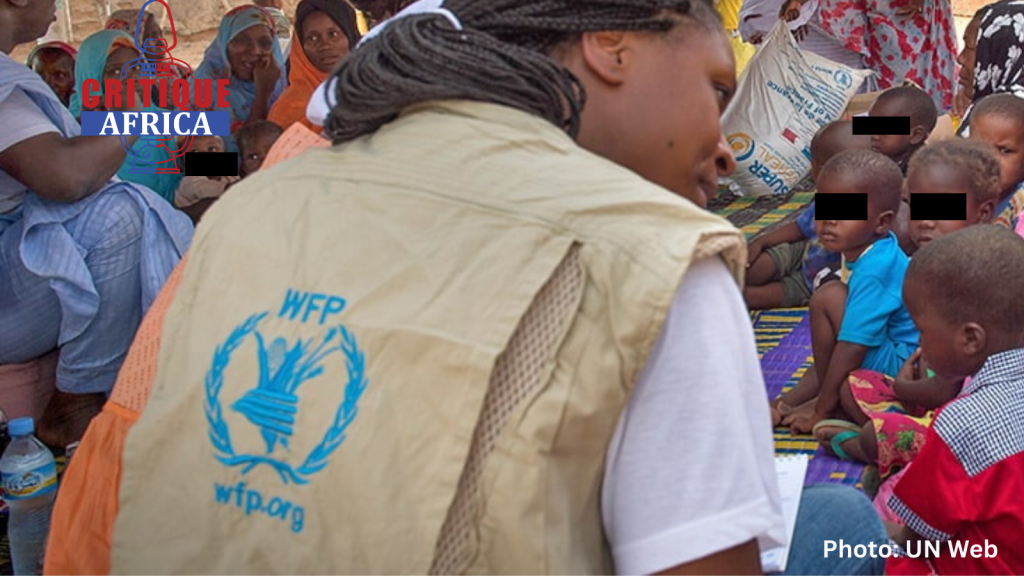
While African leaders are fighting for a seat at the United Nations Security Council, the organisation’s department that caters for food aid to refugees and the displaced is facing serious cut downs in the continent.
United Nations World Food Programme (WFP) requires an urgent funding of approximately $65.5m to continue providing assistance to over 2.6 million people who may experience severe food insecurities from now until August 2026.
Cameroon is one of the countries recently affected as WFP warns that about half a million people including refugees and vulnerable members in local communities may suffer a critical lose in food assistance.
WFP so far, has aided over 500,000 people in Cameroon amongst whom are mothers, pregnant women and children. Most of them are mostly victims who fleeing the North West and South West regions affected by the ongoing armed conflict known as the Anglophone Crisis which escalated in 2016.
In July 2025, WPF halted food supply to over 26,000 Nigerian refugees in Minawao camp established in 2013 in Cameroon’ s far north region to help those escaping violence from Boko Haram terrorist group.
“We have reached a critical tipping point. Without immediate funding, children will go hungry, families will suffer and lives will be lost.” Gianluca Ferrera, WFP Director in Cameroon said in a press statement dated 19th August 2025.
“These cuts will worsen food security in the short term but also have long-term implications for the country. Cutting school meals will likely reverse hard-won gains in education, including school attendance and retention.” he added
Other facilities such as Gado-Badzere Camp in eastern Cameroon which host refugees from Central African Republic only receives half of their regular food aid at the moment.
WFP aid provides an enormous contribution to the nutrition of refugees in these regions and if care is not taken, this may cause a serious health deterioration and imminent death of those who will be affected.
If WFP invested in the Agricultural sector in Africa by leasing land on a long term, erecting structures and employing the right professionals since its creation in 1961, surely by now food supply will be coming from affected regions. Being completely dependent on organisations and governments for donations has proven to be a huge misstep.
 Critique Africa