
Sema Fonkem 28 March 2026
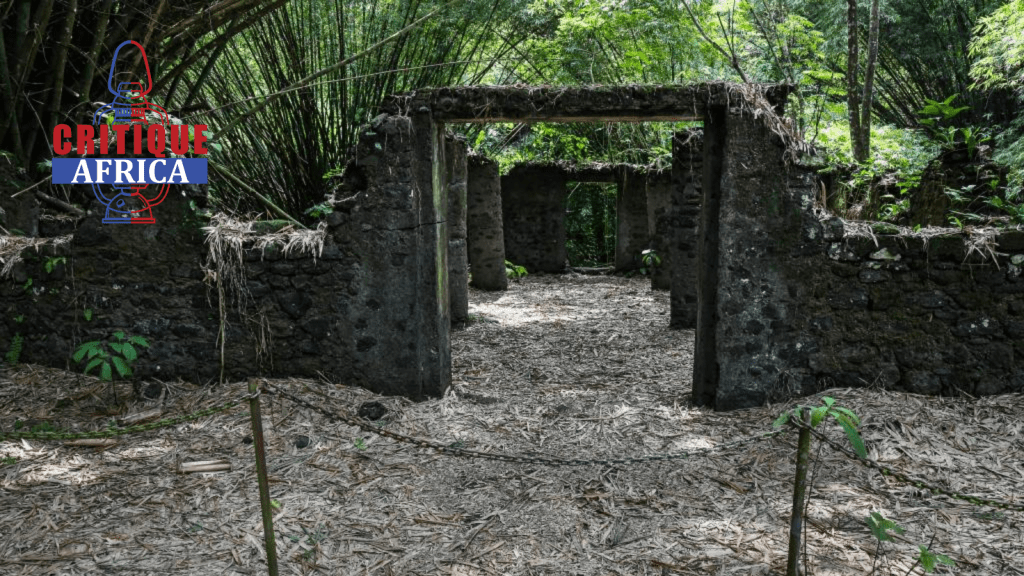
The gullibility of Africans has once more been tested, but this time around, no average African in his or her right mind is applauding the United Nations’ declaration that slavery is the gravest crime against humanity.
The resolution adopted this week by 123 countries and opposed by the United States, Argentina, and Israel will make no difference except that organisations such as the United Nations and Human Rights Watch will continue to be relevant in Africa, with full access to war-torn zones and endless data collection
The United Nations may have backed the proclamation, but it lacks the authority to compel countries such as France, the United States, Portugal, Germany, and the United Kingdom to give reparations to African states that have been harmed by slavery.
Every African who has been informed about slavery understands the destructive influence it continues to have on African society.
The low point of it all is how the western media promotes stories and videos about the declaration as if it is some good news. For several decades, African countries have sought reparations from nations like as Great Britain and the United States of America, but no success.
Except for the western media and collaborating nations such as Ghana, no one else in Africa is congratulating the United Nations for this gesture. The Ghanaian government will embrace any opportunity to continue pushing its citizenship offer to black Americans.
It is a shame that the United Nations must implore its member states implicated of this horrible crime of slavery to apologise to African countries whose citizens were abducted and packed like sardines in slave ships.
The sad reality about this issue is that the slave owners have been compensated by United Kingdom and French government for loss of property following the passing of the Slavery Abolition Act in 1833.
United Kingdom, France, the United States, and Russia are power UN Security Council Members who have benefited from Transatlantic slaver, and it is extremely difficult, if not impossible, for UN to prioritise a push for these nations to provide reparations.
Coming from Cameroon, a country that was a major hub of transatlantic slavery, I can attest that the average Cameroonian confronting everyday challenges is unconcerned with reparations. The concept of compensation is a political rather than a human rights issue.
If you didn’t know better, you’d believe Antonio Guterres’ statement on slavery was copied from Louis Farrakhan, the American religious leader and head of the Nation of Islam.
Antonio Guterres’ Speech
“Today we reflect on a deep betrayal. Today we reflect on a deep betrayal of human dignity. The abduction of millions of Africans, stolen from families and communities they would never see again. Their trafficking across the Atlantic in conditions so cruel, one in seven did not survive the journey. And their enslavement in the Americas where generations were brutally exploited for their labor and denied their basic humanity. These monstrous acts were the core of a global economic and social order. A system born of greed, built on lies and enforced by violence. A system that prevailed for over 400 years and haunts our world even now. A system that reflected the worst of humanity. And that is why today is more than a time of remembrance. It’s a moment to confront the lasting legacies of inequality and racism. We must never forget the victims of slavery. And we must never forget the malevolent system that sustained it for so long. I’m speaking of the laws that deprived enslaved people of literacy, autonomy and humanity. The economic, financial and trade networks that enabled elites and empires, including my own country, to amass wealth built on stolen lives and stolen labor. And the barbaric punishments that maintained control, from shackles and iron collars to flogging and sexual violence. This was not simply forced labor. It was a machinery of mass exploitation and deliberate dehumanization of men, women and children. The wounds run deep and often go unrecognized. I’ve often said the transatlantic slave trade was a crime against humanity that struck at the core of personhood, broke up families and devastated communities. To justify the unjustifiable, slavery’s proponents and beneficiaries constructed a racist ideology, turning prejudice into a pseudoscience. This perverse global order thrived because power acted without conscience. And we must use our power for better ends. By reflecting the false narrative of racial hierarchy and calling out the ugly lie of white supremacy. By dismantling its damaging falsehoods online, in the media, in schools, at work, in politics, and within ourselves. And by working for truth, justice and repair. We recognize the extraordinary courage of the enslaved. We honor their determination to be free, their quiet resilience and their organized resistance, their uprisings and acts of open defiance, their unbreakable human spirit. Now we must remove the persistent barriers that prevent so many people of African descent from exercising their rights and realizing their potential. We must commit fully and without hesitation to human rights, equality and the inherent worth of every person. That is why the second international decade for people of African descent and the African Union’s decade of reparations are significant. Let us use them to drive action in three critical areas: eradicating systemic racism, ensuring reparatory justice, and accelerating inclusive development with equal access to education, health, employment, housing and a safe environment. I welcome the steps that countries are taking to apologize for their role in the evil of slavery and to join an honest dialogue about its lasting consequences. But far bolder actions and many more states are needed. And this includes commitments to respect Africa countries’ ownership of their own natural resources, and steps to ensure their equal participation and influence in the global financial architecture and the UN Security Council. I urge all member states to become states parties to the international convention on the elimination of all forms of racial discrimination, if they have not already done it. Excellencies. Your Excellencies, we cannot continue to tolerate racial violence or bigotry. We cannot keep letting inequality and injustice be ignored. We must turn memory into progress and remembrance into responsibility. The world we seek, rooted in freedom, equality and justice is within reach. Let us honor the victims of the transatlantic trade not only with our words, but with our work. Let us build a future where all human beings live and thrive in dignity. I thank you,” Guterres Sid during the 75th plenary meeting of the 80th session of the General Assembly on the International Day of Remembrance of Victims of Slavery and Transatlantic Slave Trade.
 Critique Africa